Multi-Generational Living in Los Angeles (2026): How to Create a Home That Works for Everyone
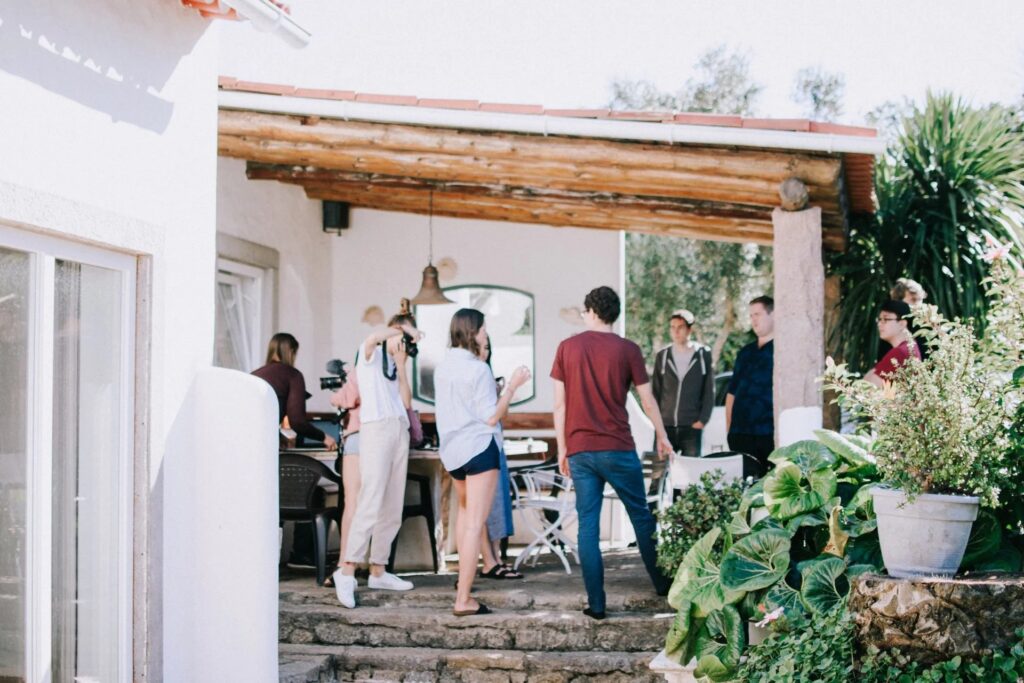
- Growing trend in 2026: Driven by affordability and lifestyle needs
- Separate spaces are key: Privacy improves long-term harmony
- ADUs and flexible layouts: Ideal for extended families
- Accessibility matters: Homes must support all age groups
- Communication is essential: Clear expectations prevent conflict
Updated: March 2026
Multi-generational living is becoming increasingly common in Los Angeles. In 2026, rising housing costs, remote work flexibility, and the need to support aging family members are driving more families to live under one roof.
Whether you’re considering a home in Sherman Oaks or elsewhere in Los Angeles, designing a home that supports multiple generations requires thoughtful planning and the right property strategy.
I’m Blayne Pacelli with Rodeo Realty, and I’ve helped many families find homes that balance privacy, functionality, and long-term value.
Why Multi-Generational Living Is Growing in 2026
- Rising home prices and cost-sharing benefits
- Remote work allowing more flexible living arrangements
- Need to care for aging parents
- Desire to stay connected as a family
This shift is influencing both how homes are designed and how buyers search for properties.
1. Create Separate Living Spaces
The most important factor in a successful multi-generational home is privacy.
- Separate entrances when possible
- Dedicated living areas
- Independent bathrooms or kitchens
Homes with ADUs (Accessory Dwelling Units) or flexible layouts are especially valuable for this type of living.
2. Prioritize Accessibility
Homes should be designed to accommodate all age groups.
- Wide hallways and doorways
- Minimal stairs or stair alternatives
- Accessible bathrooms
These features not only improve daily living but also future-proof the home.
3. Maximize Storage and Organization
With multiple generations under one roof, organization becomes critical.
- Built-in storage solutions
- Dedicated areas for each family member
A well-organized home reduces stress and improves functionality.
4. Design Functional Shared Spaces
Shared spaces bring families together.
- Open living rooms
- Large kitchens
- Outdoor gathering areas
These areas create opportunities for connection while balancing private spaces.
5. Incorporate Private Retreats
Each family member should have a space to relax independently.
This helps maintain balance and prevents overcrowding.
6. Consider ADUs and Flexible Layouts
In Los Angeles, ADUs are one of the best solutions for multi-generational living.
- Detached units for privacy
- Garage conversions
- Separate living quarters
These options provide independence while keeping families connected.
7. Establish Clear Communication
Open communication is essential for long-term success.
- Set expectations early
- Define shared responsibilities
- Schedule regular check-ins
This helps prevent conflicts and creates a more harmonious environment.
What This Means for Buyers and Sellers
For buyers:
- Look for homes with flexible layouts or ADU potential
- Prioritize space, privacy, and functionality
For sellers:
- Homes that support multi-generational living are in high demand
- Highlight features like extra rooms, ADUs, and separate entrances
In areas like Sherman Oaks, these features can significantly increase buyer interest.
Finding the Right Multi-Generational Home
If you’re buying or selling in Los Angeles, I can help you identify properties that support multi-generational living.
The right layout and strategy can make all the difference for your family’s future.
Frequently Asked Questions About Multi-Generational Living
What is a multi-generational home?
A home designed for multiple generations to live together while maintaining privacy and shared spaces.
Are multi-generational homes common in Los Angeles?
Yes, they are becoming increasingly popular due to affordability and lifestyle needs.
Do ADUs help with multi-generational living?
Yes, ADUs provide separate living space while keeping family members close.
What features should I look for?
Separate entrances, multiple bathrooms, flexible layouts, and accessibility features.
Is multi-generational living a good investment?
It can reduce costs and increase long-term property value.
If you’re considering buying or selling a home in Los Angeles, contact Blayne Pacelli today. I’ll help you find or position a property that supports your family’s needs and maximizes long-term value.
Key Takeaways
- Multi-generational living is a growing trend in Los Angeles
- Homes with flexible layouts and ADUs are in high demand
- Privacy and shared spaces must be balanced
- Accessibility and functionality are essential
- Proper planning leads to long-term success
Local Context
Many Los Angeles families are exploring multi-generational living due to rising housing costs, long commute times, and the desire to keep family support systems close together. Areas like Sherman Oaks, Encino, Woodland Hills, and Calabasas often attract buyers looking for larger floor plans, guest suites, ADUs, and flexible layouts that support extended family living.
